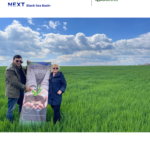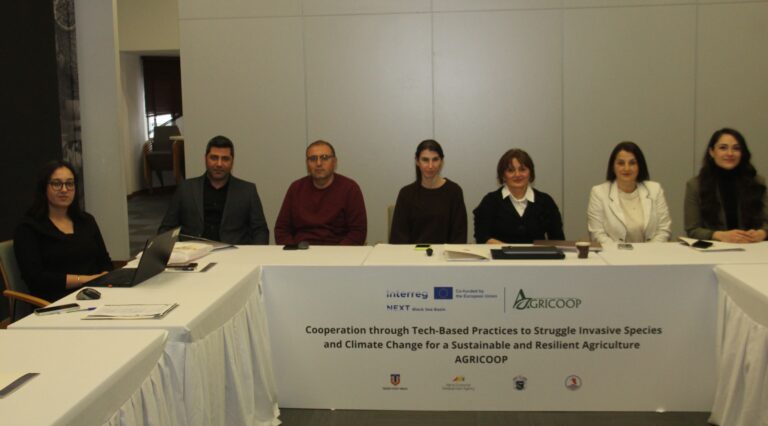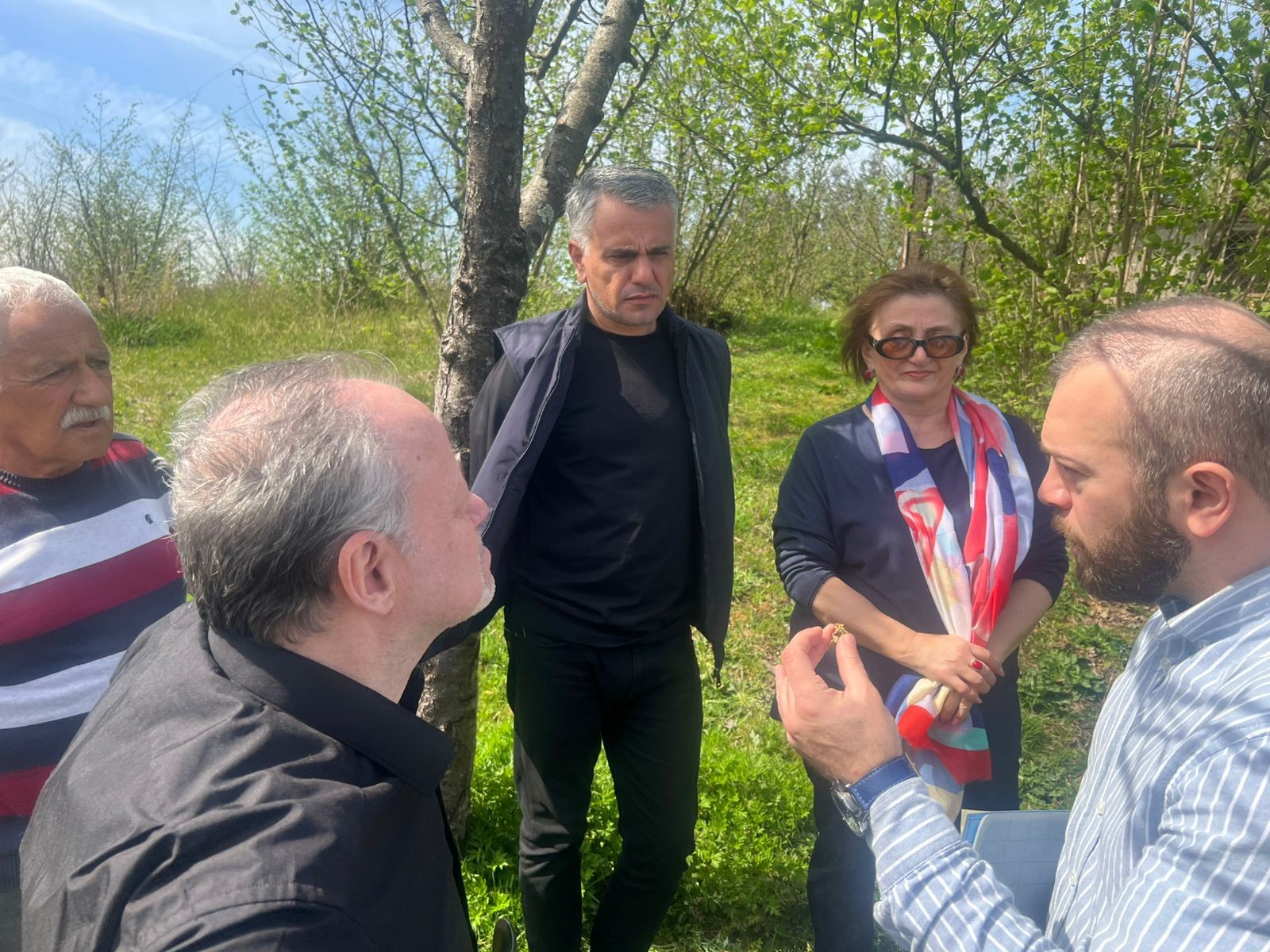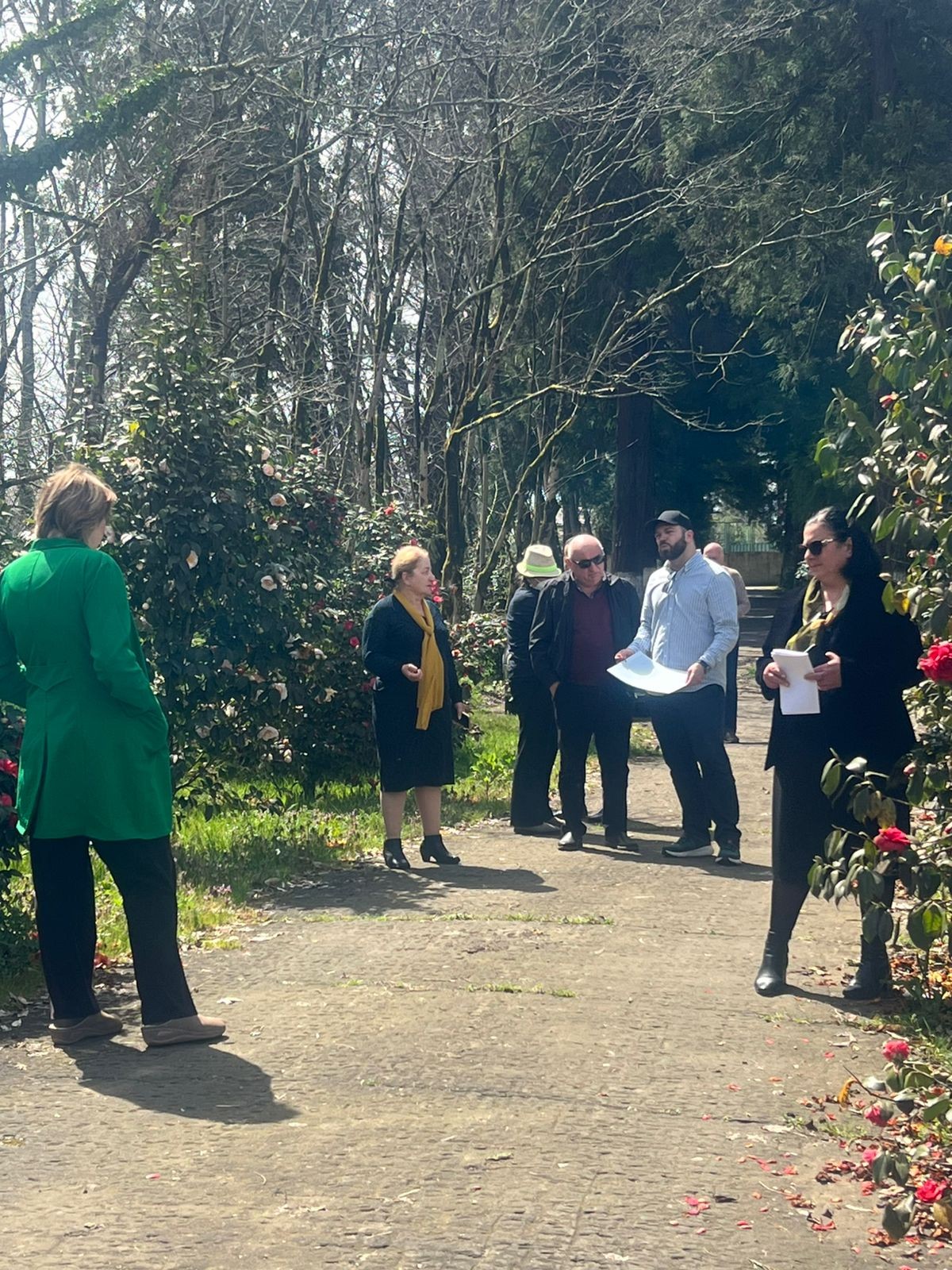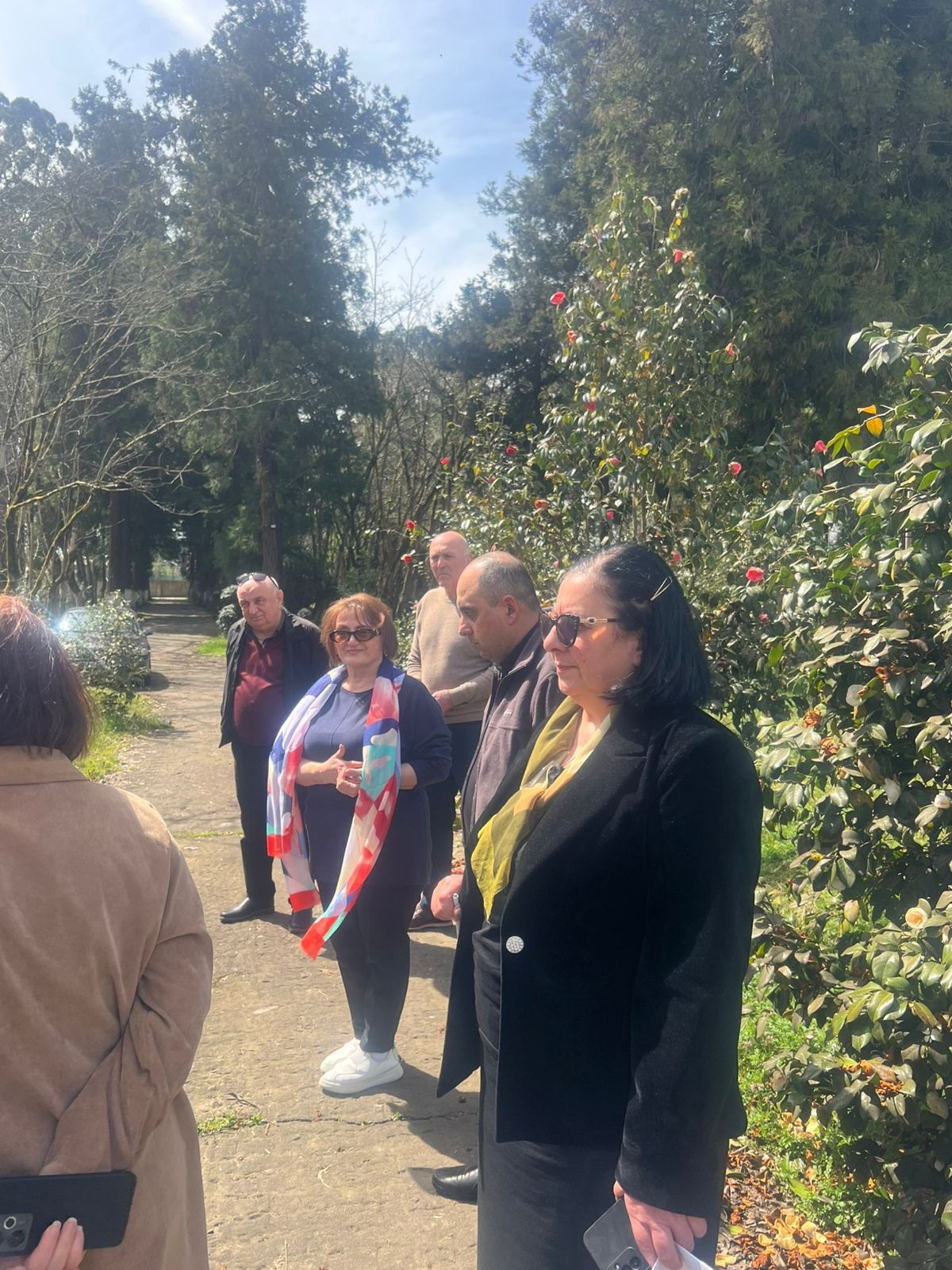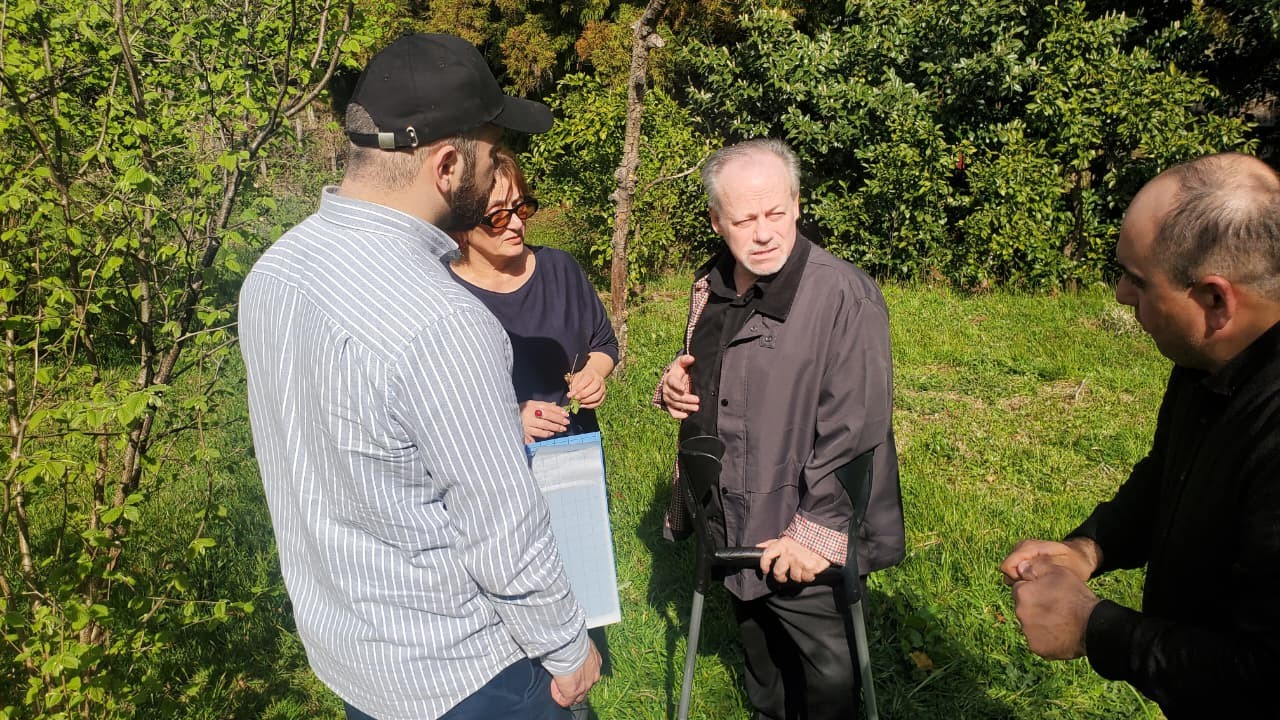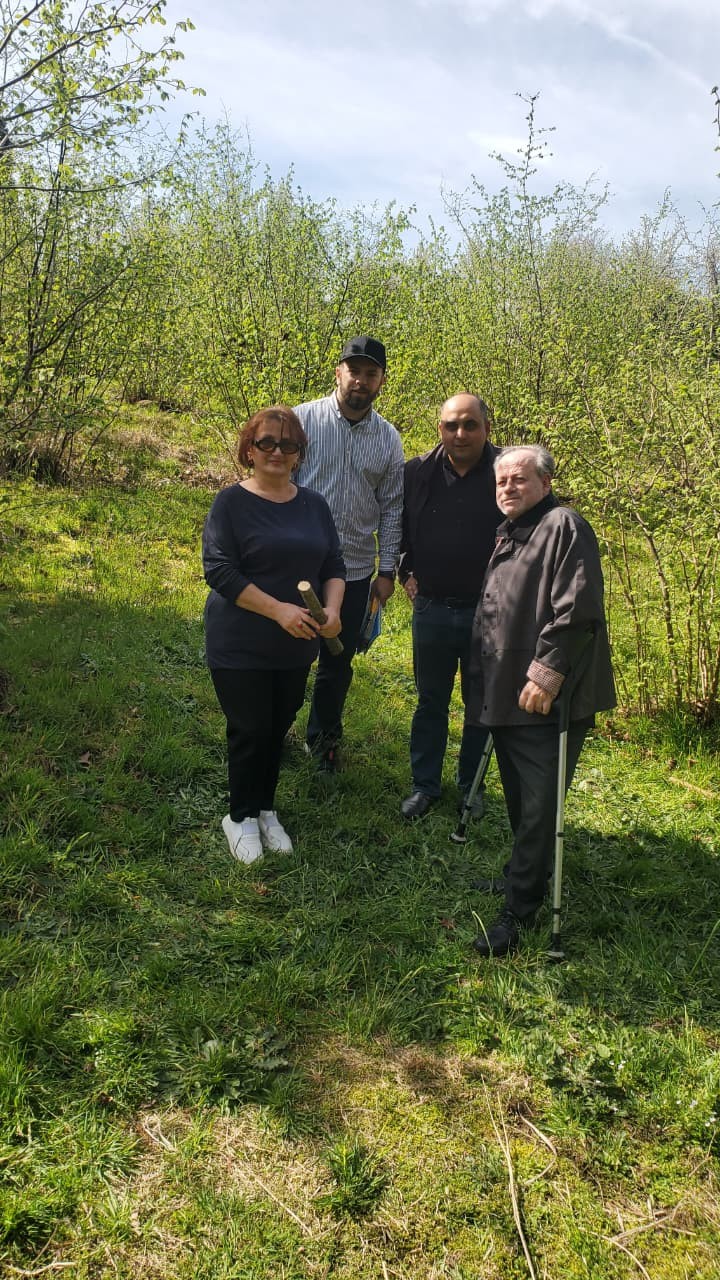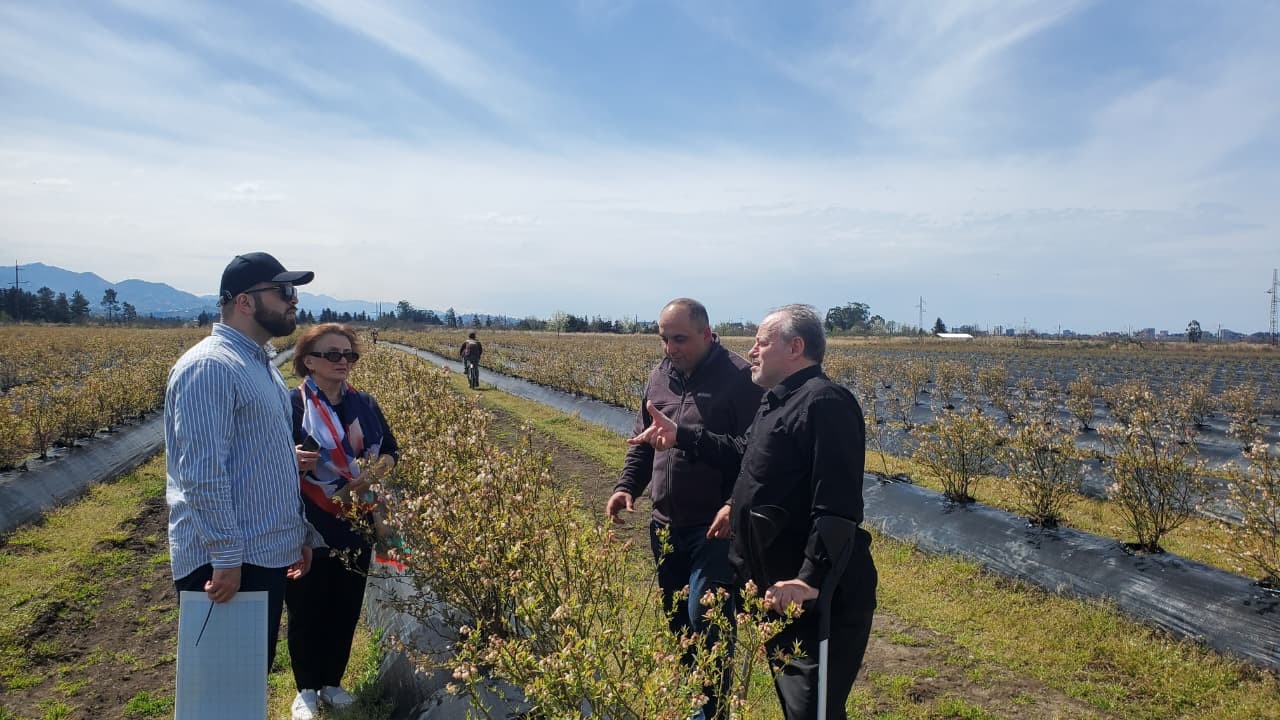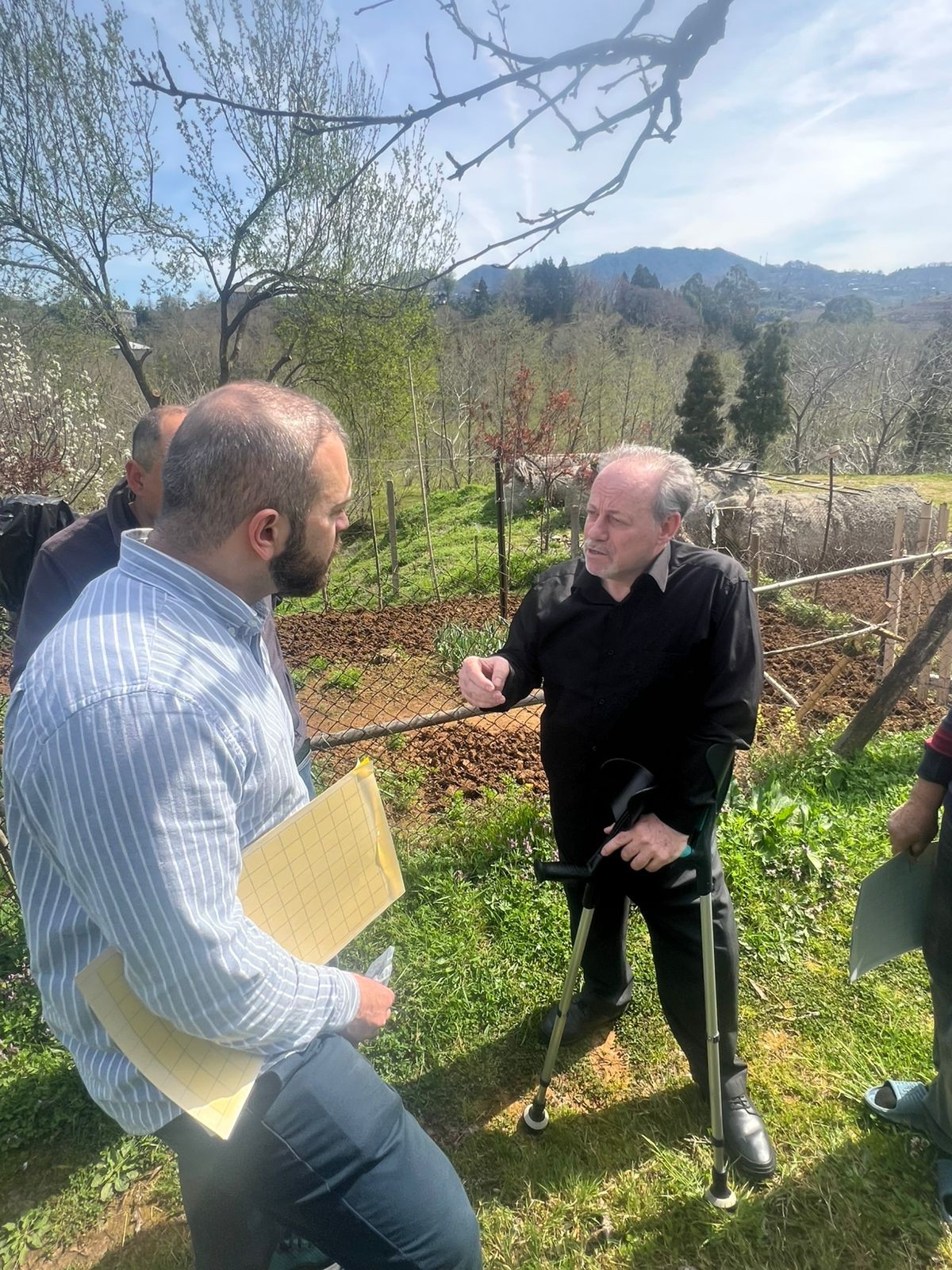




On 2 April 2026, Batumi Shota Rustaveli State University (BSU), as PP3 of the AGRICOOP project (BSB01005), conducted the first field monitoring mission in Kobuleti Municipality, Georgia, under the supervision of the National Coordinator, Prof. Guguli Dumbadze.

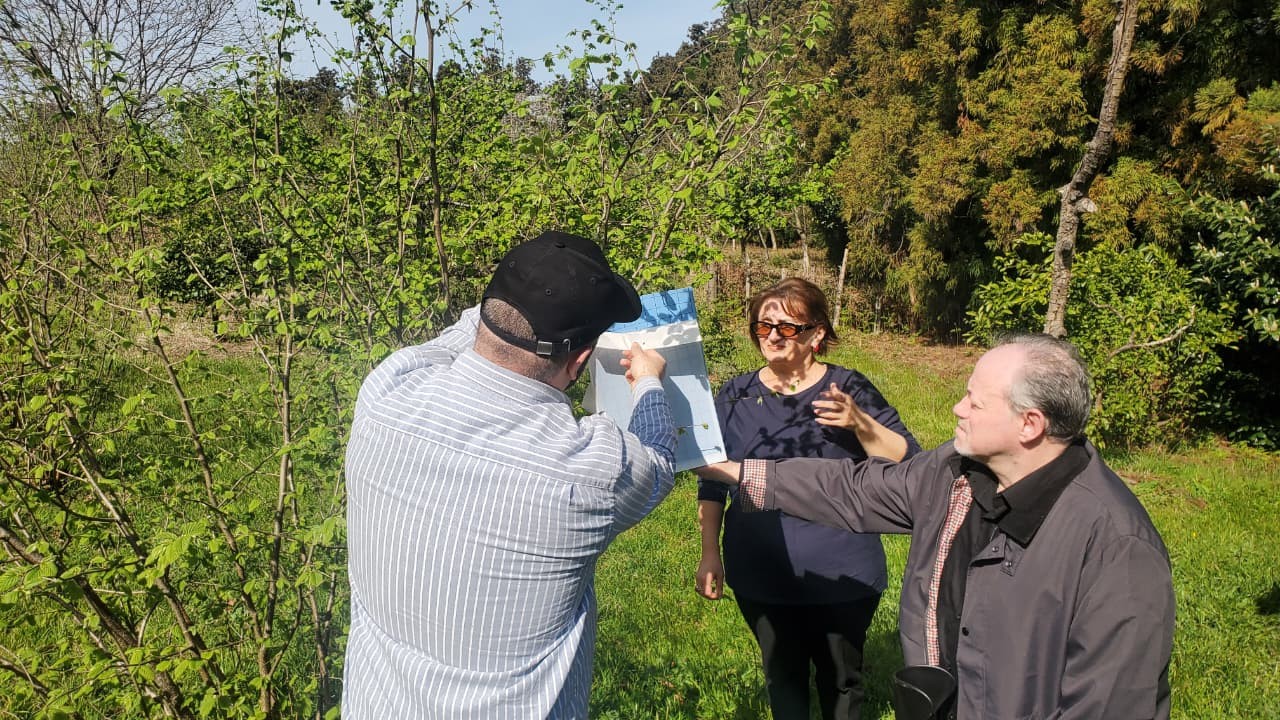
On 2 April 2026, Batumi Shota Rustaveli State University (BSU), as PP3 of the AGRICOOP project (BSB01005), conducted the first field monitoring mission in Kobuleti Municipality, Georgia, under the supervision of the National Coordinator, Prof. Guguli Dumbadze. The activity was implemented within the framework of the Interreg VI-B NEXT Black Sea Basin Programme and directly contributes to WP1 – Activity A1.1, led by BSU, which focuses on identifying agricultural crops most affected by climate change and invasive alien species.
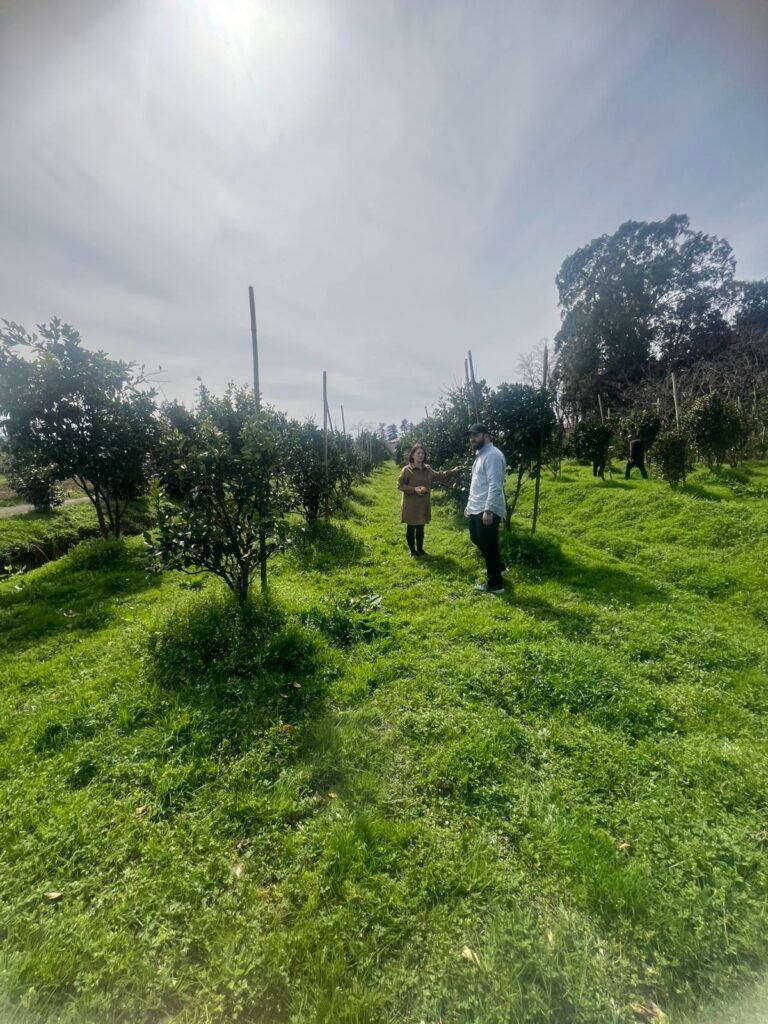
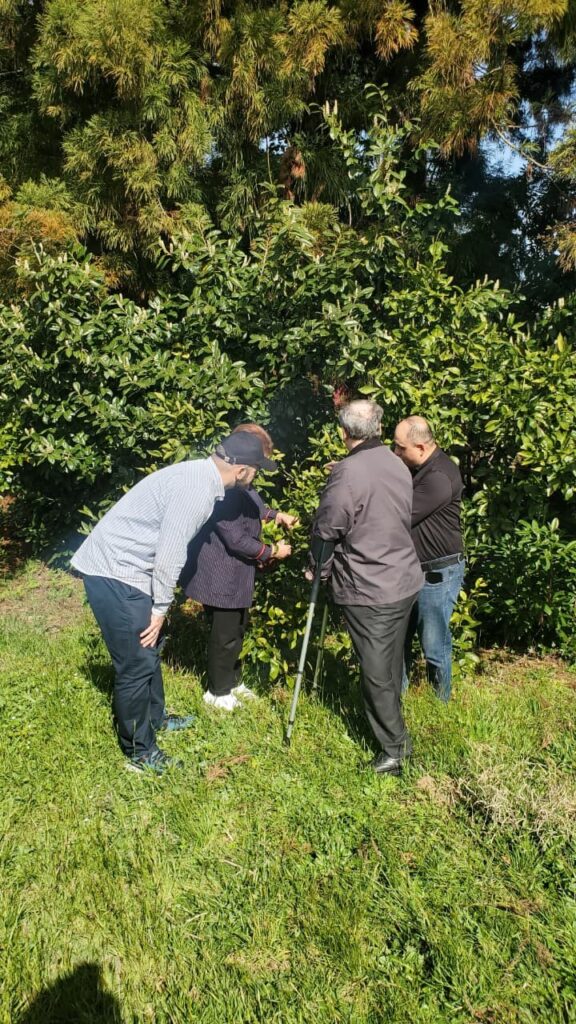
The objective of the mission was to carry out field-based validation of the preliminary findings obtained during the first implementation phase through desk review, stakeholder interviews, and initial crop-vulnerability assessment. In line with the A1.1 methodology, the mission aimed to confirm the relevance of selected crops of strategic and economic importance, verify the occurrence of associated invasive and economically significant pest species, and assess the suitability of prospective pilot zones for subsequent monitoring interventions.
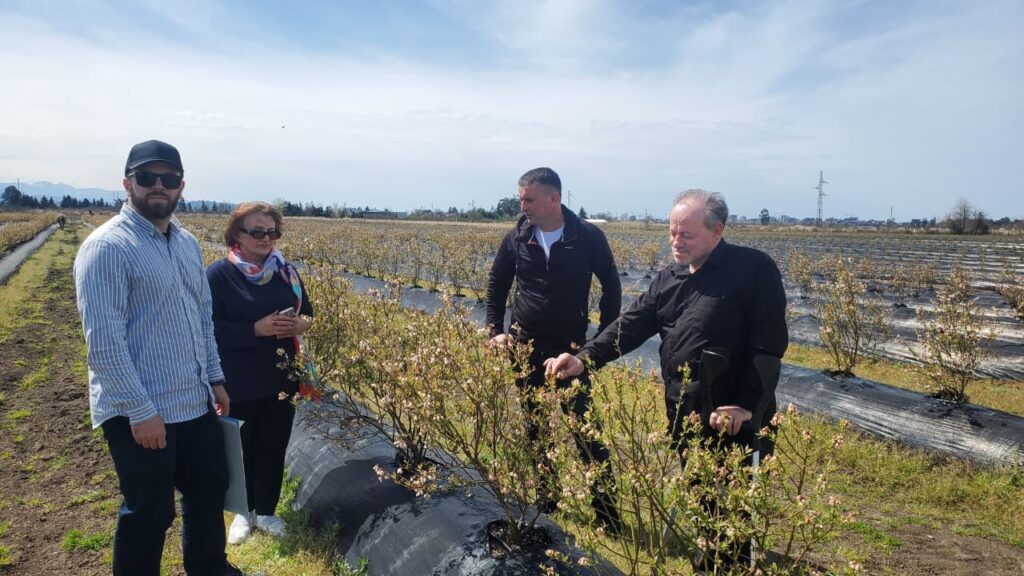
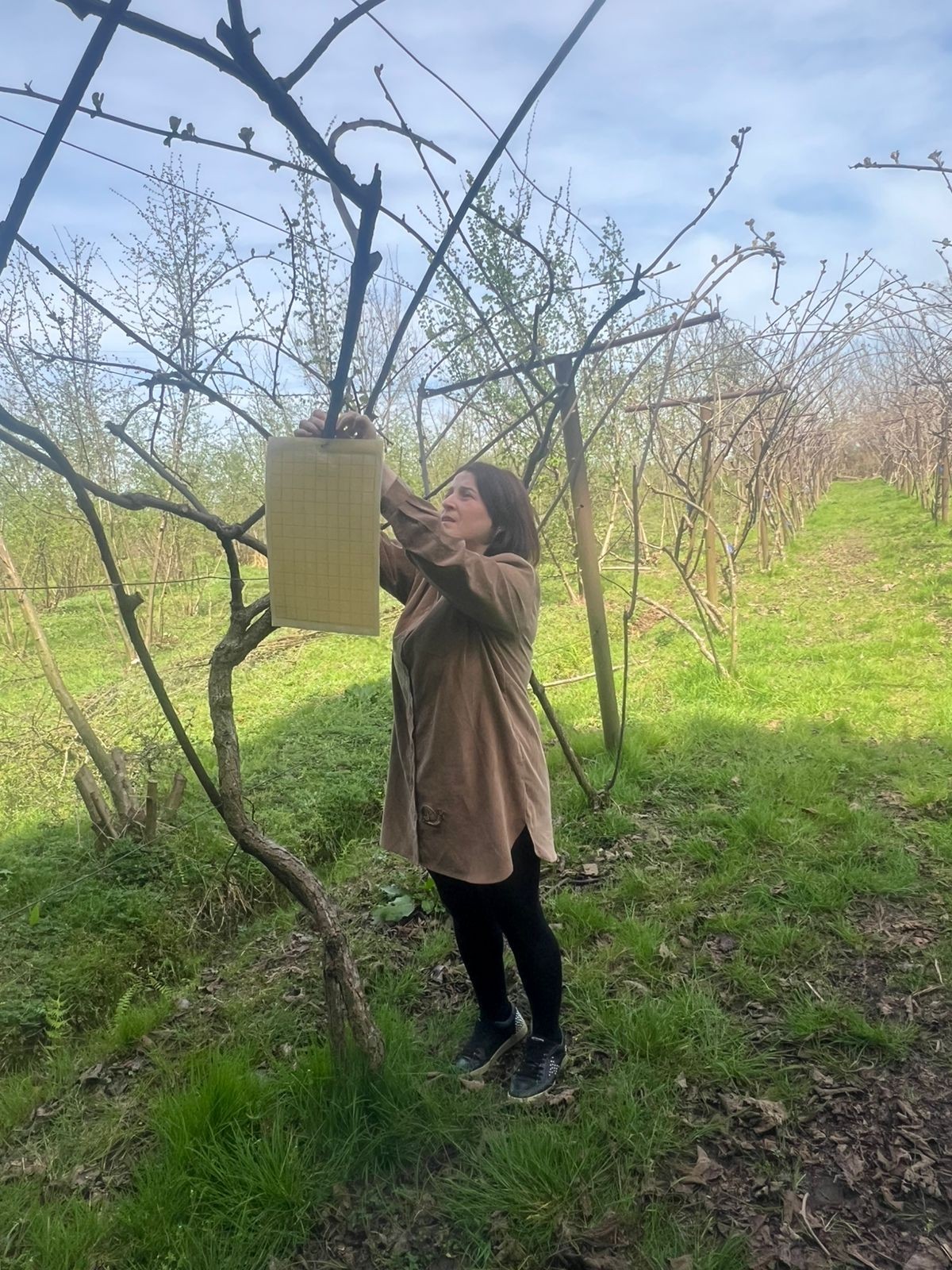
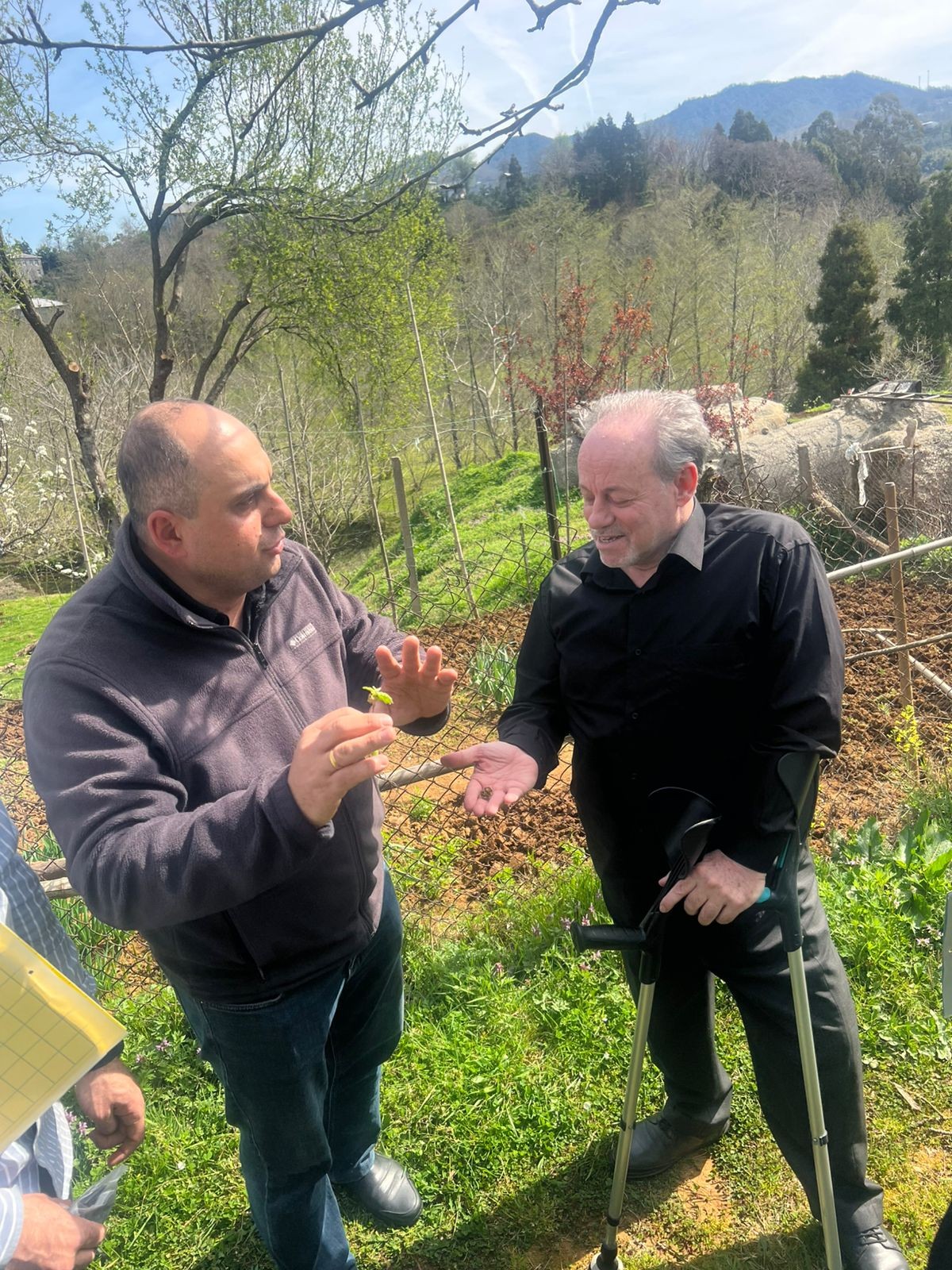
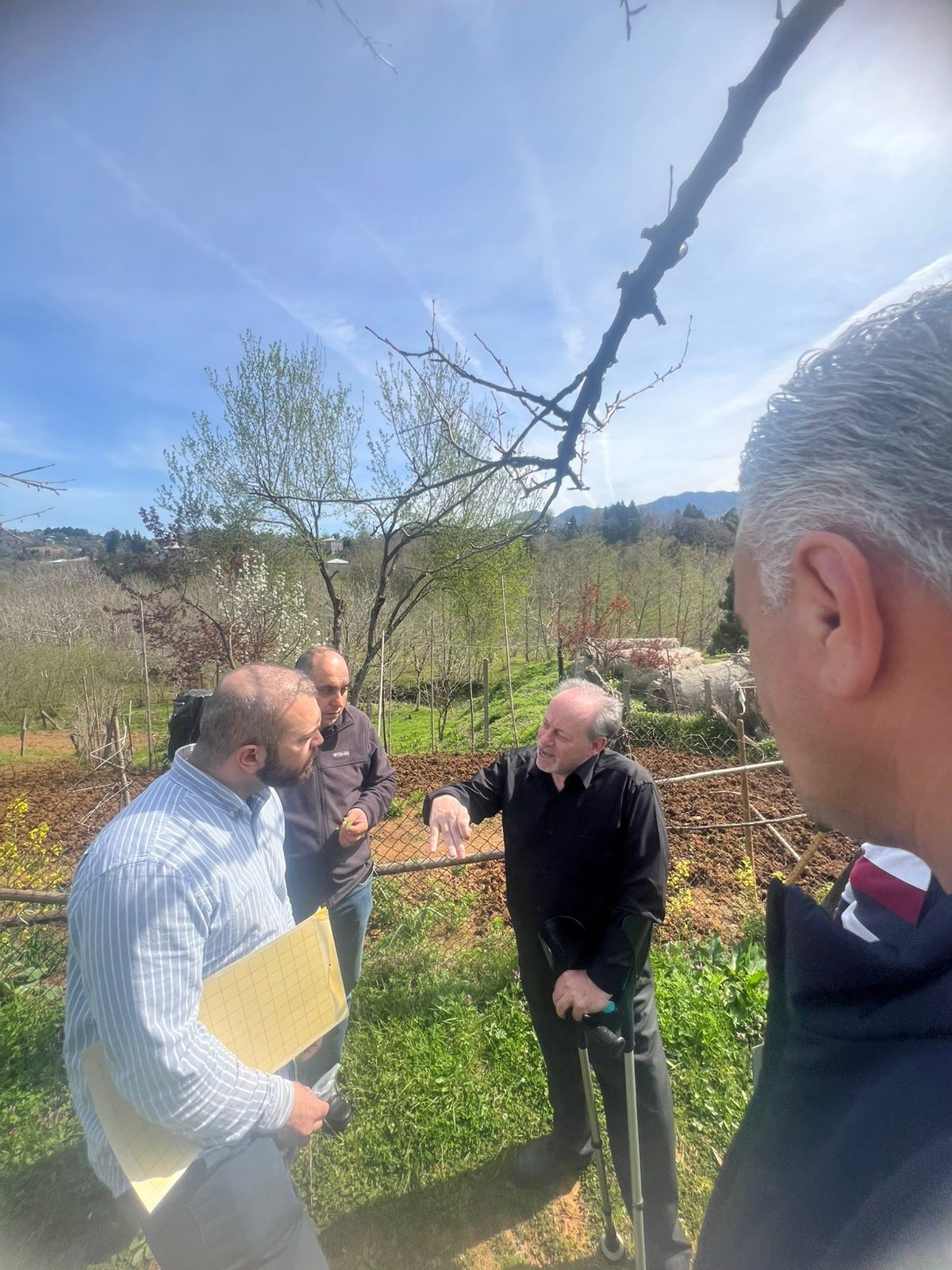
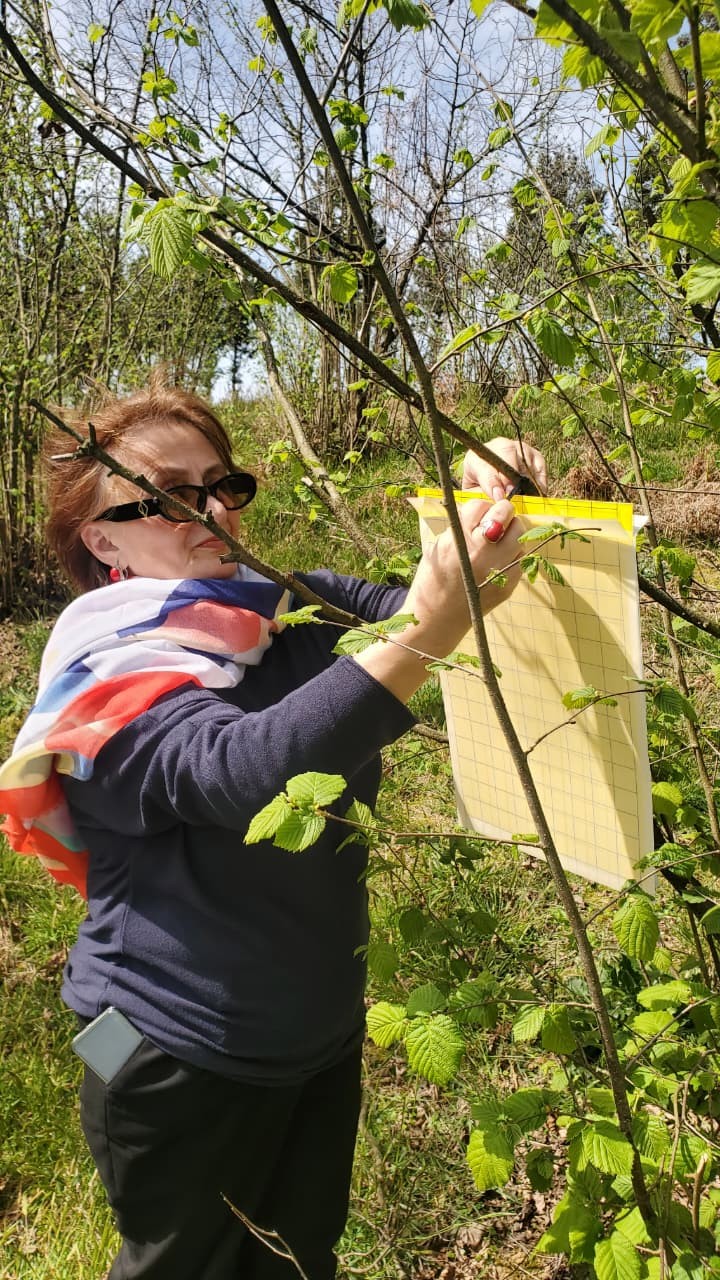
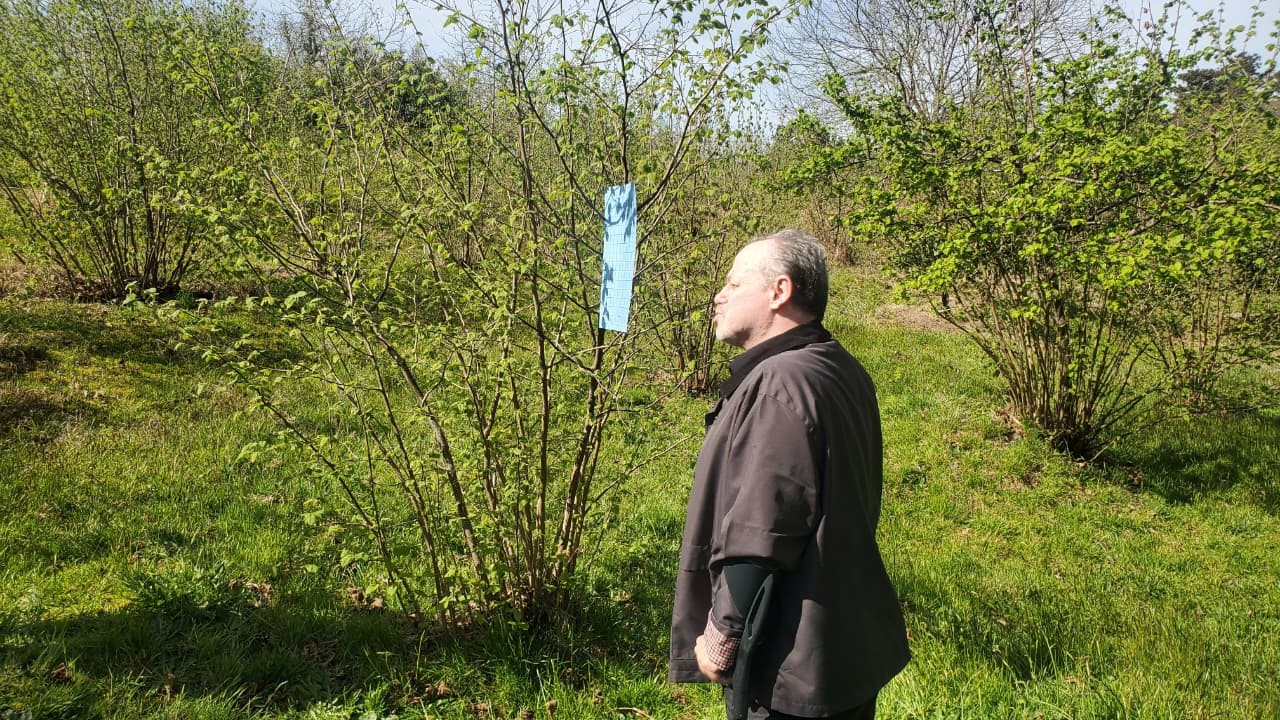
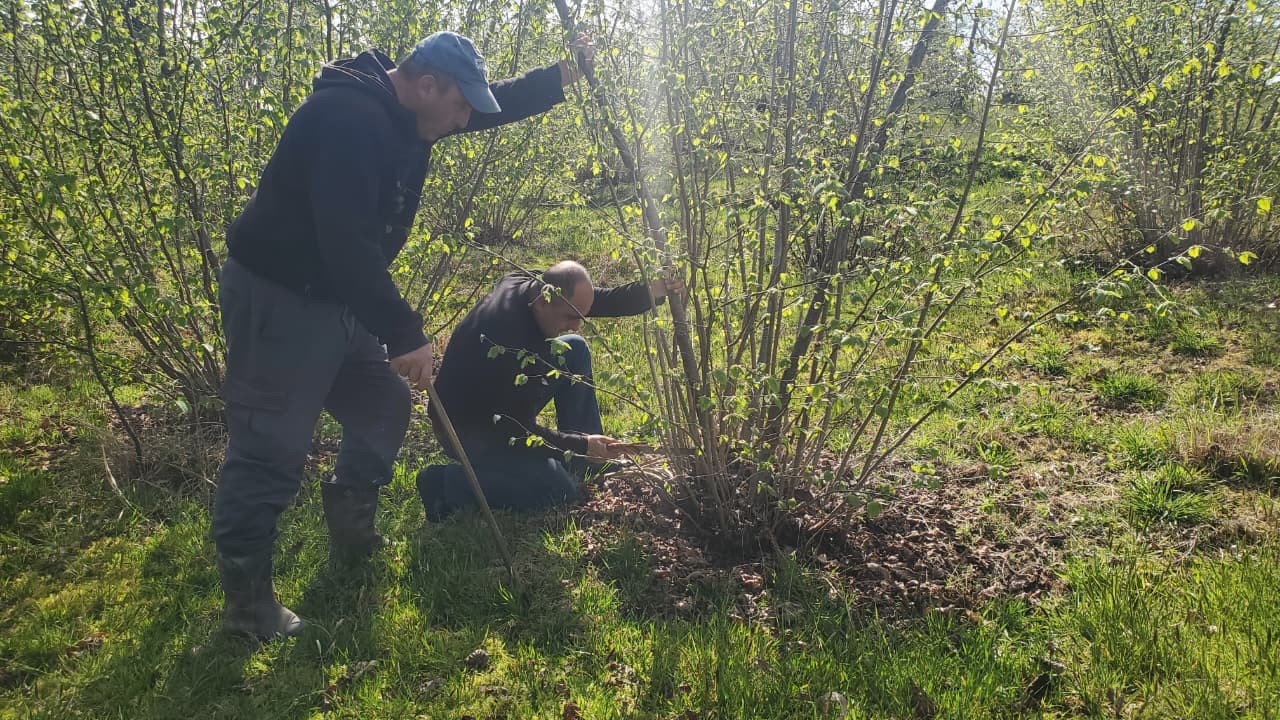
The monitoring covered selected farmer-managed orchards in Kobuleti Municipality as well as the collection plots of the BSU Institute of Phytopathology and Biodiversity. The observed crop systems included mandarin/citrus, hazelnut, blueberry, and kiwi. Field observations confirmed the presence of several key pest species in citrus and hazelnut production systems. In citrus plots, the mission documented citrus aphids (Toxoptera aurantii), circular purple scale (Chrysomphalus dictyospermi), purple/mussel scale (Lepidosaphes beckii), and woolly whitefly (Aleurothrixus floccosus), the latter appearing as a dominant species in the monitored orchards. In hazelnut plots, hazelnut bud mite (Phytoptus avellanae) was identified as a major pest, with one orchard showing a potential yield reduction of up to 40%. Sticky traps were installed in selected plots to support continued monitoring.
No pest presence was recorded in the monitored blueberry plantation at the current flowering stage, although the installation of drosophila pheromone traps is planned for the next monitoring period. At the BSU Institute site, no pest occurrence was observed in the kiwi plot at the present phenological stage; however, in the citrus collection area, active populations of woolly whitefly and citrus aphids were detected, together with honeydew deposits creating favourable conditions for the development of sooty mould fungi (Capnodium spp.).
Based on the results of the mission, the BSU Institute of Phytopathology and Biodiversity collection site was identified as one of the priority pilot zones for the future installation of a Climate and Pest Detection Station (CPDS). This outcome is relevant for the next stages of implementation, particularly pilot-zone validation, continued field verification, and the preparation of data inputs for risk interpretation and subsequent monitoring activities.
In the coming period, the PP3 team will continue field monitoring activities in the extended territories of Batumi and in Khelvachauri Municipality, with the aim of broadening the spatial evidence base for crop vulnerability, pest distribution, and climate-related agricultural risks in Georgia.